
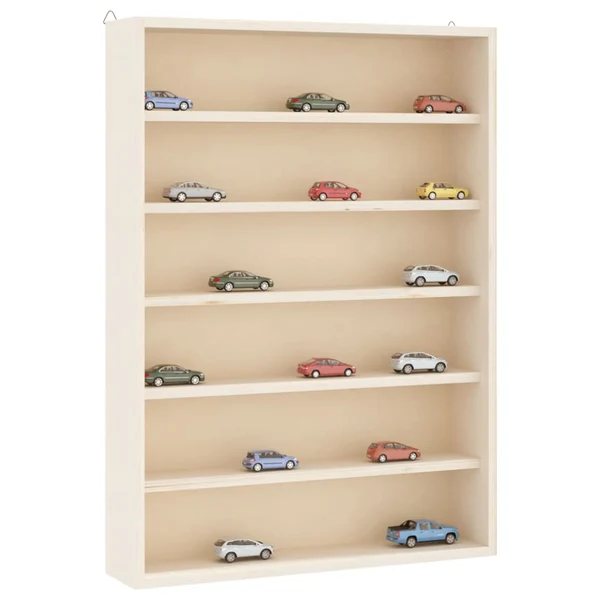
Wooden Collector’s Display Case, 6 Shelves, 40 x 8.5 x 55 cm
£97.99 incl. VATWeigh up the related types
Each one opens a related type, so you can compare across the family before you settle.
Collector display cases can look alike at first glance, so the details matter: proportions, construction and finish. If it has to work with something you already own, check that the two will fit together. Weight matters more than it seems, since something too heavy or too light can be awkward in use.
Showing the single result
Each one opens a related type, so you can compare across the family before you settle.
Choose the material of collector display cases for feel, weight and care: some materials need regular attention, others very little, so match it to the upkeep you are happy with.
To judge collector display cases, look at joins, seams, edges or fastenings: neat, even work and a consistent finish are good signs of careful making.
With collector display cases, check size first, using the stated dimensions, then material and construction; colour and style are easiest to decide last.
Measure the space, the person or the item it needs to fit, then compare that with the stated dimensions of collector display cases rather than the size name.
There is no shared size standard for collector display cases across makers, so the same size name can mean different measurements; check the stated dimensions instead.
Necessary cookies are always on. Optional with consent: Analytics, Functional, Marketing. Withdraw anytime. Cookie policy